
DevOps Troubleshooting Guide: Real Problems, Real Solutions for Production Environments
2/10/2026
DevOps promises faster releases, better collaboration, and stable systems—but real-world DevOps is messy. Teams struggle with broken pipelines, deployment failures, security gaps, and constant firefighting. The gap between DevOps theory and DevOps reality is where most organizations get stuck.
This blog breaks down the most common DevOps problems faced in real production environments and explains how successful teams actually fix them.
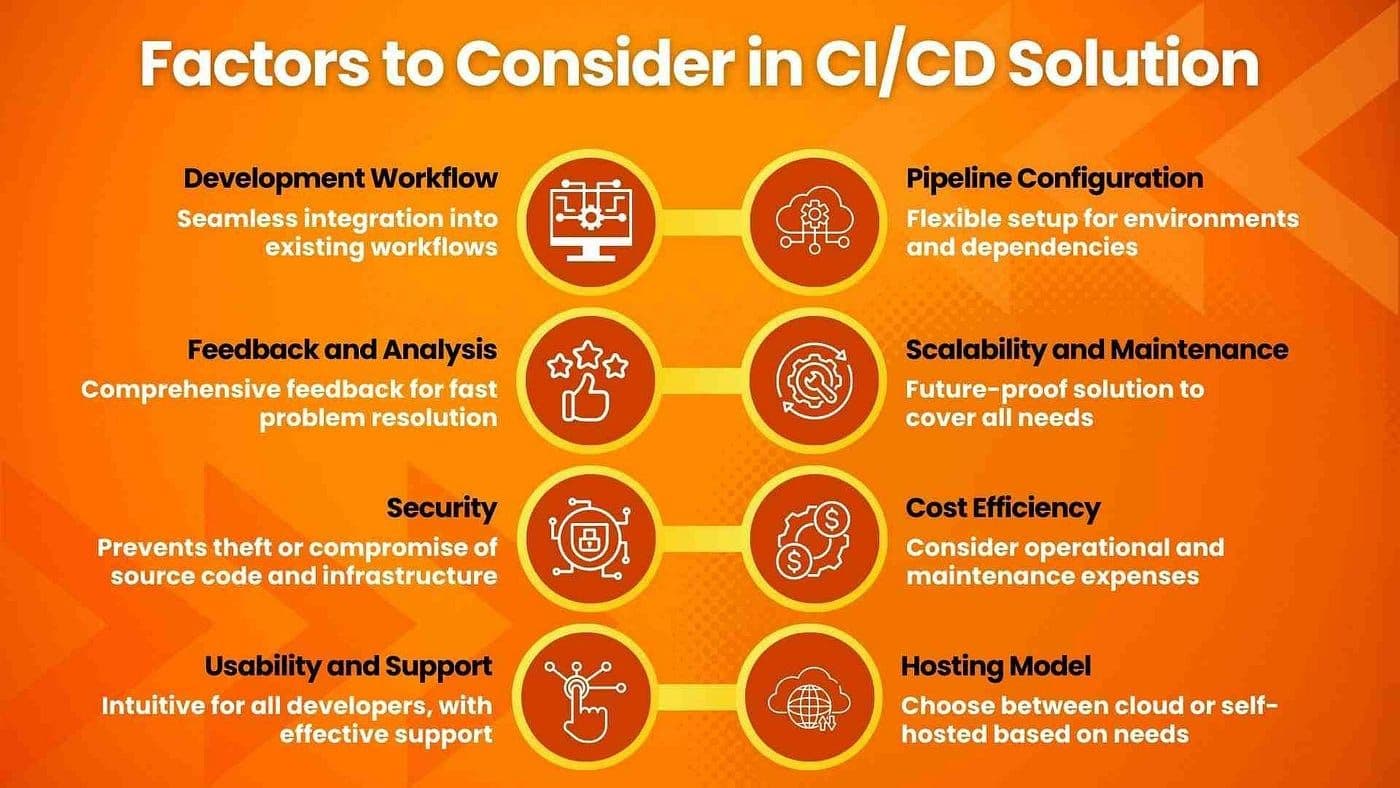
1. Poor Collaboration Between Dev and Ops Teams
The Problem
Many teams adopt DevOps tools but not the DevOps mindset. Developers push code fast, while operations teams focus on stability, leading to blame games, delays, and burnout.
How to Fix It
- Create shared ownership of deployments and incidents
- Use common dashboards, shared KPIs, and joint retrospectives
- Adopt ChatOps and documentation-first workflows
DevOps is culture first, tools second.
2. Unstable CI/CD Pipelines
The Problem
Pipelines break frequently due to flaky tests, environment differences, or poorly written scripts. This slows releases and reduces trust in automation.
How to Fix It
- Keep pipelines simple and modular
- Shift from manual testing to reliable automated tests
- Use versioned pipeline configurations
- Treat pipeline failures as high-priority bugs
A stable CI/CD pipeline is the backbone of DevOps success.
3. "It Works on My Machine" Syndrome
The Problem
Applications behave differently in development, staging, and production due to inconsistent environments.
How to Fix It
- Use containerization to standardize environments
- Define infrastructure using Infrastructure as Code (IaC)
- Avoid manual server configuration
Consistency across environments drastically reduces production failures.
4. Lack of Monitoring and Observability
The Problem
Teams often discover issues after users complain. Logs are scattered, alerts are noisy, and root-cause analysis takes hours.
How to Fix It
- Implement centralized logging and metrics
- Monitor application performance, not just servers
- Reduce alert noise with meaningful thresholds
- Track SLIs, SLOs, and error budgets
If you can't see it, you can't fix it.
5. Security Treated as an Afterthought
The Problem
Security checks are done late in the release cycle—or worse, ignored—leading to vulnerabilities in production.
How to Fix It
- Integrate security into CI/CD (DevSecOps)
- Scan code, dependencies, and containers automatically
- Use secrets management instead of hardcoded credentials
- Educate teams on basic security hygiene
Security must move left, not be patched later.
6. Manual Infrastructure Management
The Problem
Manually creating servers and configuring environments leads to drift, inconsistency, and human error.
How to Fix It
- Adopt Infrastructure as Code tools
- Version-control infrastructure changes
- Automate provisioning and teardown
- Review infrastructure like application code
Automation reduces errors and accelerates scaling.
7. Scaling and Reliability Issues
The Problem
Applications work fine with low traffic but crash under load. Scaling is reactive instead of planned.
How to Fix It
- Design systems for horizontal scaling
- Use load testing before production releases
- Implement auto-scaling policies
- Prepare rollback and disaster recovery strategies
Reliability is built through design, not hope.
8. Tool Overload Without Strategy
The Problem
Teams adopt too many tools without understanding integration or long-term maintenance, leading to complexity and confusion.
How to Fix It
- Choose tools based on clear use cases
- Standardize the DevOps toolchain
- Document workflows clearly
- Train teams deeply instead of broadly
More tools ≠ better DevOps.
Final Thoughts
Real DevOps problems are not caused by a lack of tools—they're caused by poor processes, weak fundamentals, and missing skills. Teams that succeed focus on automation, collaboration, observability, and continuous improvement.
DevOps is a journey, not a checklist.
Want to Master Real-World DevOps Skills?
Follow Eduwise Solutions to learn high-demand DevOps, Cloud, Linux, and Automation courses guided by expert industry coaches.